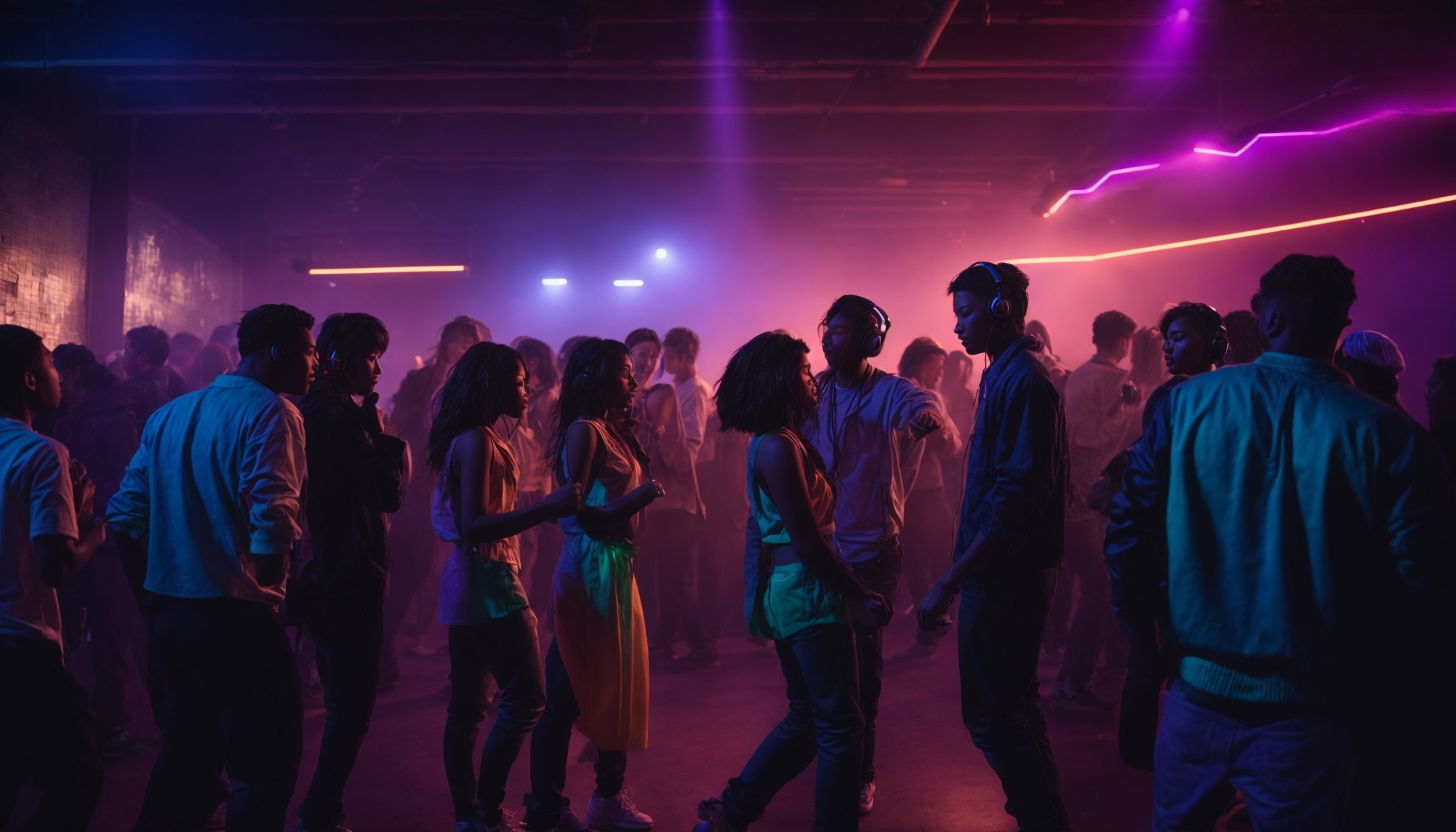
Club Delisa – metro underground party culture is expanding across major cities as secret events move into warehouses, tunnels, and hidden rooftops beyond the reach of mainstream nightlife.
Organizers design metro underground party culture to stay just out of sight. They avoid public promotion and rely on tightly controlled circles. Entry often starts with a trusted friend who already attends these events.
Most groups use encrypted messaging apps and private channels. Invitations arrive as disappearing messages, with exact addresses shared only hours before doors open. However, even inside these chats, hosts keep details minimal.
Photos and videos are often banned at the door. On the other hand, some crews allow content but demand that faces and surroundings remain untagged and untraceable. This keeps metro underground party culture alive without attracting unwanted attention.
Secret events inside metro underground party culture usually appear in flexible, disposable spaces. Old warehouses top the list because they provide large open floors, few neighbors, and easy sound control with temporary insulation.
Abandoned industrial zones and loading docks are popular on the outskirts of the city. Meanwhile, closer to the center, organizers look for basements under small shops, unused parking structures, or backrooms behind legitimate businesses.
Rooftops play a big role in metro underground party culture during warm months. Hosts favor buildings with freight elevators and direct alley access. Therefore, guests can arrive in small groups without crowding the street.
In some cities, disused rail tunnels or maintenance corridors become short-lived venues. Safety teams check for hazards and exits first. Even so, these extreme spots remain rare and highly selective.
Getting into metro underground party culture usually depends on personal reputation. Newcomers do not find these parties by searching online. Instead, they earn invitations through trusted social circles.
Regulars often watch how someone behaves in smaller public events, such as bar nights or open DJ sets. After that, if the person seems respectful and discreet, they might receive a first invite to a low-risk gathering.
Hosts expect guests to protect information. Sharing addresses on social media or inviting strangers without approval can lead to permanent bans. As a result, the community polices itself strongly.
Some promoters build micro-communities around music genres. Metro underground party culture can center on techno, house, bass, or experimental sounds. In addition, niche fashion and subcultural aesthetics help filter who feels at home in each space.
Contrary to stereotypes, many crews in metro underground party culture prioritize safety. They form volunteer teams to watch exits, manage sound levels, and de-escalate conflicts.
Clear consent norms appear on the walls or at the entrance. Guests are reminded to respect boundaries on the dance floor. Even subtle harassment can lead to removal, with no debate.
Sound systems are directed inward or isolated with temporary panels to reduce complaints. Because of this, neighbors often remain unaware that a large event is happening nearby.
Emergency plans are common at better-organized gatherings. Teams assign roles for crowd guidance, first aid, and communication if authorities appear. Therefore, a risky situation can turn orderly instead of chaotic.
Technology quietly powers metro underground party culture. Encrypted apps, private streaming links, and invite-only ticket pages replace traditional promotion.
Entry sometimes relies on pre-purchased digital tickets with names checked at the door. In other places, attendees share a changing phrase or symbol instead of a guest list. This rotating code makes it harder for outsiders to infiltrate.
Some organizers share only a nearby intersection, then send a live location pin just before opening. Nevertheless, experienced guests know to travel in small groups and follow instructions exactly.
To protect DJs and performers, lineups might stay secret until the moment they step on stage. This keeps the focus on the community rather than celebrity and helps metro underground party culture resist commercialization.
The biggest tension inside metro underground party culture involves freedom versus risk. People attend because the atmosphere feels less controlled than mainstream clubs. However, they also want to avoid real danger.
Organizers negotiate this balance constantly. They avoid overcrowding and watch for harmful substances. Even in scenes that embrace intense partying, leaders know that one serious incident can destroy years of careful building.
Read More: How global nightlife underground scenes protect their communities
Guests share responsibility as well. In metro underground party culture, regulars often check on friends, arrange safe rides home, and flag concerning behavior. Community norms become stronger than formal rules.
Because locations change often, returning participants focus less on the room itself and more on the people present. As a result, the crowd becomes the true constant, and safety grows from shared values instead of security staff alone.
One reason metro underground party culture keeps expanding is frustration with commercial nightlife. Many people feel that big clubs are expensive, predictable, and tightly controlled.
Underground spaces promise something different: longer sets, unexpected genres, and less pressure to perform a polished image. In addition, fashion codes relax, and self-expression becomes more important than status.
Cultural shifts also play a role. Younger generations often prefer experiences over traditional entertainment formats. Therefore, secret gatherings that feel unique and unrepeatable gain strong appeal.
Social media paradoxically helps and hurts. Public platforms cannot host direct promotion, yet they showcase aesthetics that hint at metro underground party culture. Curious viewers then search for local communities through friends and acquaintances.
For anyone curious about metro underground party culture, patience and respect are essential. The most sustainable path begins with attending smaller legal events where similar DJs and artists perform.
Networking naturally with people who share musical interests opens doors slowly. On the other hand, pushing aggressively for secret addresses or bragging about access usually closes them.
Once invited, guests should treat metro underground party culture as a fragile ecosystem. Protecting locations, following house rules, and looking out for others help keep the scene alive.
Ultimately, metro underground party culture survives because people value intimacy, creativity, and trust. When attendees honor those values, these hidden nights can continue shaping the city’s sound and energy far from the spotlight.