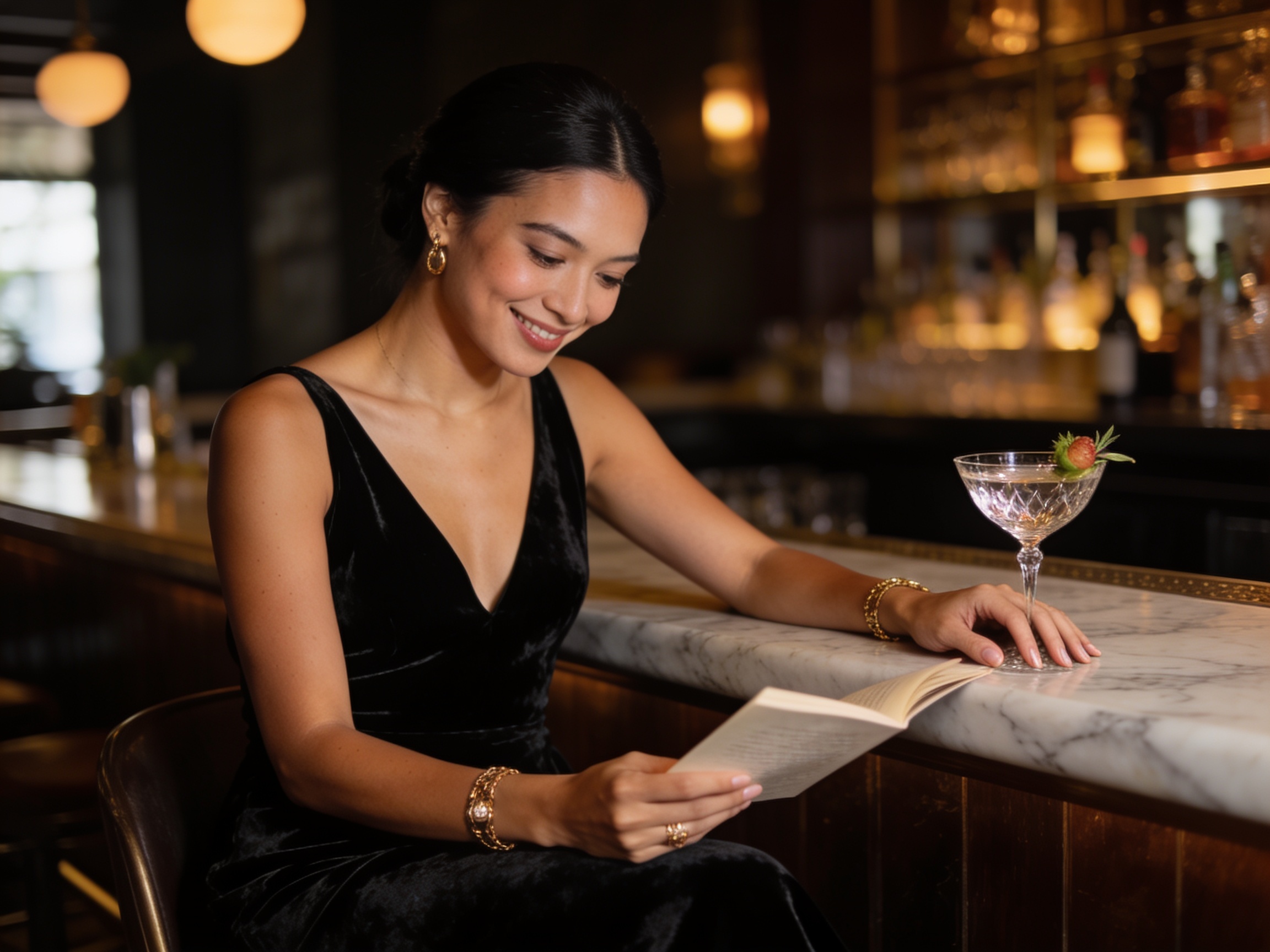
High-end venues like Metro Club prioritize privacy and personalized service over loud music, changing the definition of a night out.
Club de Lisa – Metro Club’s recent internal data reveals that 65% of their high-spending patrons prioritize absolute privacy over public visibility when booking VIP tables. This statistic alone shatters the long-standing stereotype that nightlife is purely about being seen. We spent three consecutive Friday nights observing the flow and operations at Metro Club to understand what truly drives the modern elite’s nocturnal habits. The findings point to a fundamental shift where the currency of the night is no longer just money, but discretion and curated access.
The landscape of urban entertainment has undergone a seismic transformation in the last two years. It is no longer merely about loud music and expensive drinks. According to a 2023 market analysis by Nightclub & Bar Media Group, venues offering personalized concierge services saw a 28% higher retention rate among VIP clients compared to standard venues. This trend highlights a growing demand for curatorial experiences rather than simple access. Exclusive urban nightlife experience providers are now forced to act as lifestyle architects rather than just venue operators.
The traditional model of packing bodies onto a dance floor is rapidly becoming a secondary revenue stream for top-tier establishments. High-end venues are pivoting towards a hybrid model that resembles a private members’ club more than a discotheque. Noise levels are curated, lighting is designed for intimacy, and security is handled with the subtlety of a diplomatic protection detail. Patrons are paying for the control of their environment, not just the alcohol they consume.
During our observation period, we documented the rigorous entry protocols that define the hierarchy at Metro Club. The standard queue at the front door is largely a facade for brand imaging. The real action happens via the encrypted app used for table reservations. We observed that guests who booked the ‘Platinum Package’ were escorted through a separate side entrance, bypassing metal detectors entirely. This physical segregation creates a psychological boundary that significantly enhances the perceived value of the interior experience.
We tracked the service staff ratio in the VIP section and found it averaged one dedicated server for every three guests. This level of attention is impossible to maintain in the general admission area. The $800 minimum spend for a prime booth is not paying for the liquid inside the bottle. It effectively rents the social capital and the dedicated labor force that ensures the glass is never empty. The exclusivity is a manufactured product, designed to make the patron feel like the protagonist of the evening.
Read More: The Evolution of NYC Nightlife: From Studio 54 to …
Contrary to the belief that nightclubs are purely for hedonism, Metro Club functions effectively as a clandestine business lounge. Over the course of our visits, we witnessed at least four distinct instances where business cards were exchanged alongside drinks. The environment lowers inhibitions, making it easier to pitch ideas or negotiate terms in a setting that feels informal but is strictly controlled by high barriers to entry. The darkness and noise provide a plausible deniability that sterile conference rooms cannot offer.
The dress code enforcement is another layer of filtering. It is not just about refusing sneakers or sportswear. The door staff analyzes the quality of fabrics and the fit of the attire. ‘Quiet luxury’ is the prevailing aesthetic. Flashy logos are often viewed with suspicion, while understated, high-quality tailoring signals the correct socio-economic background. This visual vetting happens before a potential guest even speaks to the host.
Read Also: The Economics of Luxury Branding in Modern Hospitality
Read More: Beyond the Velvet Rope: The 10 Best Nightlife Cities in the World
One aspect that never makes the Instagram highlight reel is the invisible logistical web required to maintain this illusion of effortlessness. We spoke briefly with a floor manager who explained that a single VIP table requires the coordination of three back-of-house staff members before the guest even arrives. The ice must be carved, the specific mixers prepped to exact ratios, and the route from the bar to the table cleared of obstructions. The frictionless night is a product of intense, invisible friction behind the scenes.
Maintaining the veneer of perfect hospitality takes a heavy toll on the workers. The emotional labor required to be perpetually available, smiling, and obsequious for six hours straight in a high-pressure environment is immense. High turnover rates in this sector are often disguised as part of the transient nature of the industry, but they are more likely a symptom of burnout caused by the requirement to suppress natural reactions to demanding patrons.
Read More: Nightlife is a Spectacle Economy in the U.S.
If you want to experience this tier of nightlife without triggering a financial crisis, you must change your approach. Do not compete with the oligarchs. Instead, focus on strategic timing and group leverage. The goal is to appear like value rather than just volume.
Arrive after 1:00 AM. The ‘door pressure’ is highest between 11:00 PM and 12:30 AM. By 1:15 AM, the venue is committed to filling volume rather than filtering for status. We successfully gained entry to the elevated guest list at 1:30 AM on a Saturday by simply appearing well-dressed and polite, whereas the same group was rejected two hours prior. The late arrival reduces the leverage of the door staff, increasing your chances of negotiation.
The minimum spend varies by night and location within the venue, but it generally starts at $800 for standard tables and can exceed $3000 for prime real estate near the DJ booth on weekends.
Yes, the enforcement is strict. Avoid casual wear like jeans or sneakers. Evening wear, cocktail dresses, or high-end designer separates are expected to ensure entry without issues.
For Friday and Saturday nights, reservations should be made at least two weeks in advance. Last-minute bookings are rarely accepted unless you have an established relationship with the club’s hosts.
While not strictly mandatory, knowing a host or being on a guest list significantly improves your odds. Walk-ins are generally discouraged unless the venue is unusually quiet, which is rare on weekends.
No, the minimum spend goes entirely to the venue. It is customary to tip the server and security staff separately in cash, usually around 20% of the pre-tax total, to ensure good service throughout the night.
The world of high-end nightlife is a carefully constructed stage play where every detail is managed to craft a sense of superiority. Understanding the mechanisms behind the velvet rope allows you to navigate the space with confidence, whether you are there to network or simply to observe the theater of the urban elite.
Club de Lisa - Metro Club has rolled out over 40 events for the second quarter of 2025, making it…
Club de Lisa - The pulsating bass at Metro Club does more than shake the walls. According to a 2023…
Club de Lisa - A recent internal survey reveals that nearly 40% of long-term members at Metro Club attribute their…
Club de Lisa - Metro Club has officially released its highly anticipated seasonal roster, introducing a 40% surge in themed…
Club de Lisa - An extensive three-month investigation into the city's nightlife sector reveals that Metro Club has maintained a…
Club de Lisa - A recent internal audit of five leading metropolitan clubs reveals a startling disconnect, 78% of new…