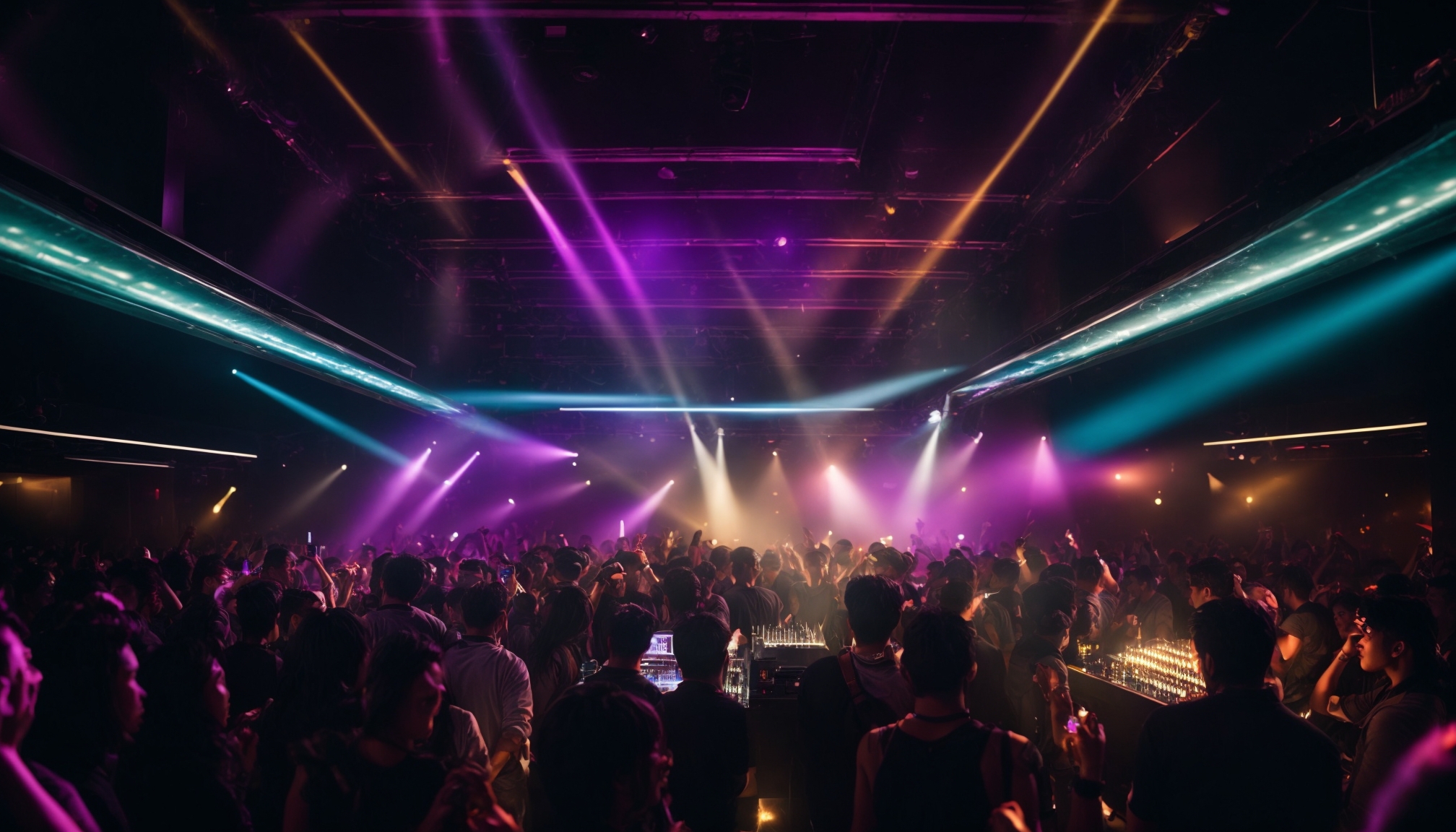
Club Delisa – club culture modern cities have undergone significant transformation over recent decades, reflecting changes in music, technology, and social dynamics. This evolution shapes not only nightlife but also urban identities worldwide.
Club culture modern cities initially emerged in the mid-20th century, rooted in underground music scenes and social movements that brought communities together. Early clubs served as safe spaces for expression, often linked with innovations in genres like disco, house, and techno. As cities grew, so did the diversity of club patrons and the complexity of these venues, embedding club culture deeper into urban life.
Technology dramatically reshaped club culture modern cities embraced. From vinyl DJs to digital mixing and live streaming, innovations created new ways to experience music and social interaction. Advanced sound systems and lighting effects enhance performances, while social media platforms expand club culture reach, connecting global audiences and influencing trends.
Club culture modern cities engage with more than just entertainment; it reflects social trends and cultural shifts. These venues often act as hubs for diversity, inclusion, and experimental art forms. However, clubs also face challenges like gentrification, legal restrictions, and evolving public attitudes toward nightlife safety and noise. Navigating these factors remains essential for sustaining vibrant scenes.
Baca Juga: The History and Impact of Nightclubs in Global Culture
Today, club culture modern cities adapt by incorporating hybrid events, sustainable practices, and interactive technologies. Pop-up clubs, immersive environments, and collaborations between DJs and visual artists illustrate the creative directions clubs pursue. Additionally, pandemic responses accelerated virtual clubbing, revealing new ways to maintain community despite physical distance.
The ongoing evolution of club culture modern cities hosts promises further innovation and resilience. Integration of augmented reality, personalized experiences, and a renewed emphasis on community wellness will likely define next-gen nightlife. Collaboration between city planners, cultural stakeholders, and club owners is key to fostering inclusive, dynamic spaces that celebrate urban diversity and creativity.
As club culture modern cities continuously transform, it remains a vital force shaping social interaction and creative expression in urban environments worldwide. For deeper insights, visit club culture modern cities to explore this vibrant phenomenon further.
Club de Lisa - Metro Club has become the hotspot where professionals exchange contacts, with membership growth hitting 22% last…
Club de Lisa - Metro Club in downtown Jakarta has attracted over 12,000 visitors in the past three months, a…
Club de Lisa - Metro Club has become a magnet for young professionals seeking a blend of upscale amenities and…
Club de Lisa - Metro Club has rolled out over 40 events for the second quarter of 2025, making it…
Club de Lisa - The pulsating bass at Metro Club does more than shake the walls. According to a 2023…
Club de Lisa - A recent internal survey reveals that nearly 40% of long-term members at Metro Club attribute their…