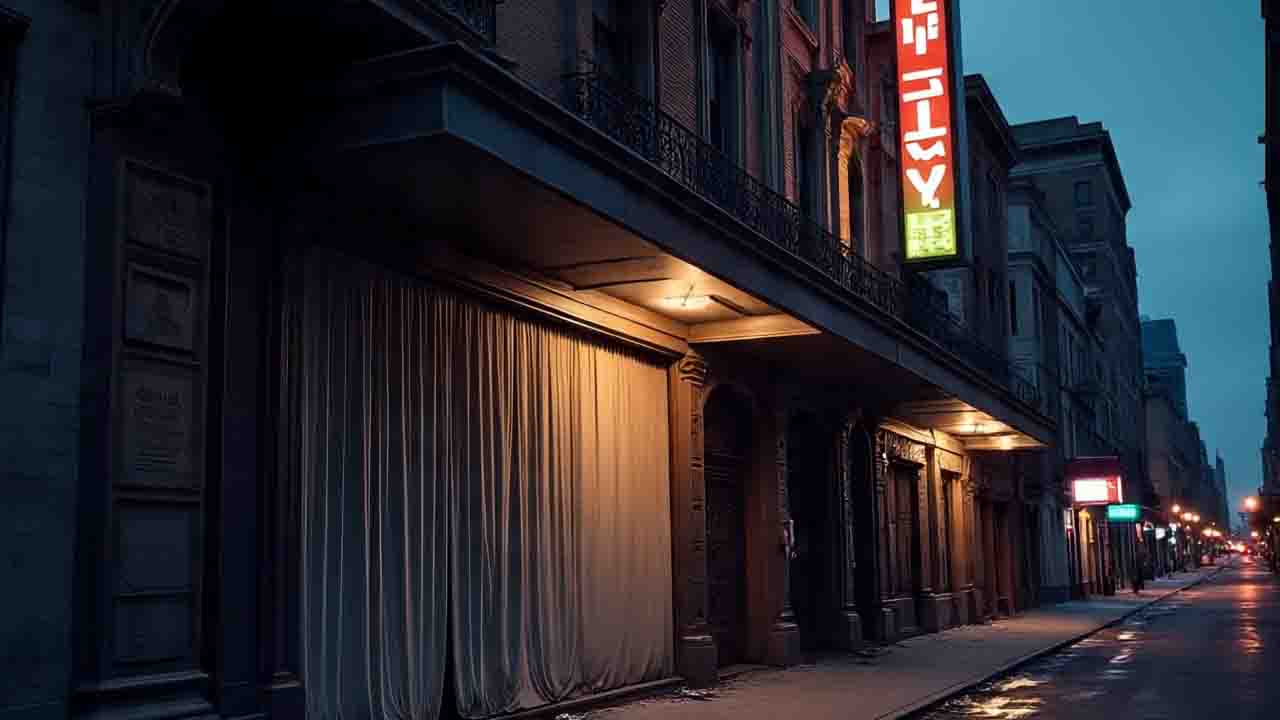
Clubdelisa – The nightclub crisis has become an alarming reality in major urban centers like London and New York. Once vibrant hubs of nightlife, many clubs are now shutting their doors permanently due to soaring rental costs and a fundamental shift in the social habits of younger generations. This evolving landscape is reshaping the nightlife scene and raising concerns about the future of urban entertainment districts.
The nightclub crisis is first and foremost driven by economic pressures. In cities like London and New York, commercial rents have skyrocketed in recent years, making it increasingly difficult for nightclub owners to maintain profitability. With landlords demanding higher lease payments, many venues find themselves unable to keep up with the costs. This financial strain forces long-standing clubs to close, erasing years of cultural history and community gathering spaces. Experts warn that without intervention or creative solutions, the economic challenges could decimate the nightlife ecosystem entirely.
“Ryobi 2000 PSI Electric Pressure Washer – Power & Precision”
Another major factor fueling the nightclub crisis is the evolving lifestyle and social preferences of Generation Z and Millennials. Unlike previous generations who thrived on late-night clubbing and high-energy dance floors, younger people today often favor more intimate, low-key social experiences. Activities such as casual meetups in cafes, day parties, or wellness-focused events are increasingly popular. Moreover, digital entertainment and social media platforms have shifted how young people socialize, reducing the demand for traditional nightclubs. This cultural transformation means many clubs are struggling to attract consistent crowds, accelerating their decline.
The nightclub crisis extends beyond just business closures; it impacts the cultural vibrancy and economic vitality of cities. Nightclubs have historically served as incubators for music, art, and social movements. Their disappearance threatens the creative industries that rely on nightlife scenes. Additionally, nightlife contributes significantly to local economies by generating jobs and tourism revenue. City planners and cultural advocates are calling for innovative policies to support nightlife venues, such as rent subsidies, flexible zoning laws, and programs that engage young people with nightlife culture in new ways. Without such efforts, the cultural fabric of cities like London and New York may lose a vital piece of its identity.
“Epic Journeys Await: Global Motorcycle Adventure Tours”
Club de Lisa - The pulsating bass at Metro Club does more than shake the walls. According to a 2023…
Club de Lisa - A recent internal survey reveals that nearly 40% of long-term members at Metro Club attribute their…
Club de Lisa - Metro Club has officially released its highly anticipated seasonal roster, introducing a 40% surge in themed…
Club de Lisa - An extensive three-month investigation into the city's nightlife sector reveals that Metro Club has maintained a…
Club de Lisa - A recent internal audit of five leading metropolitan clubs reveals a startling disconnect, 78% of new…
Club de Lisa - The global nightlife economy has surged by 24% in the last year alone, yet the quality…