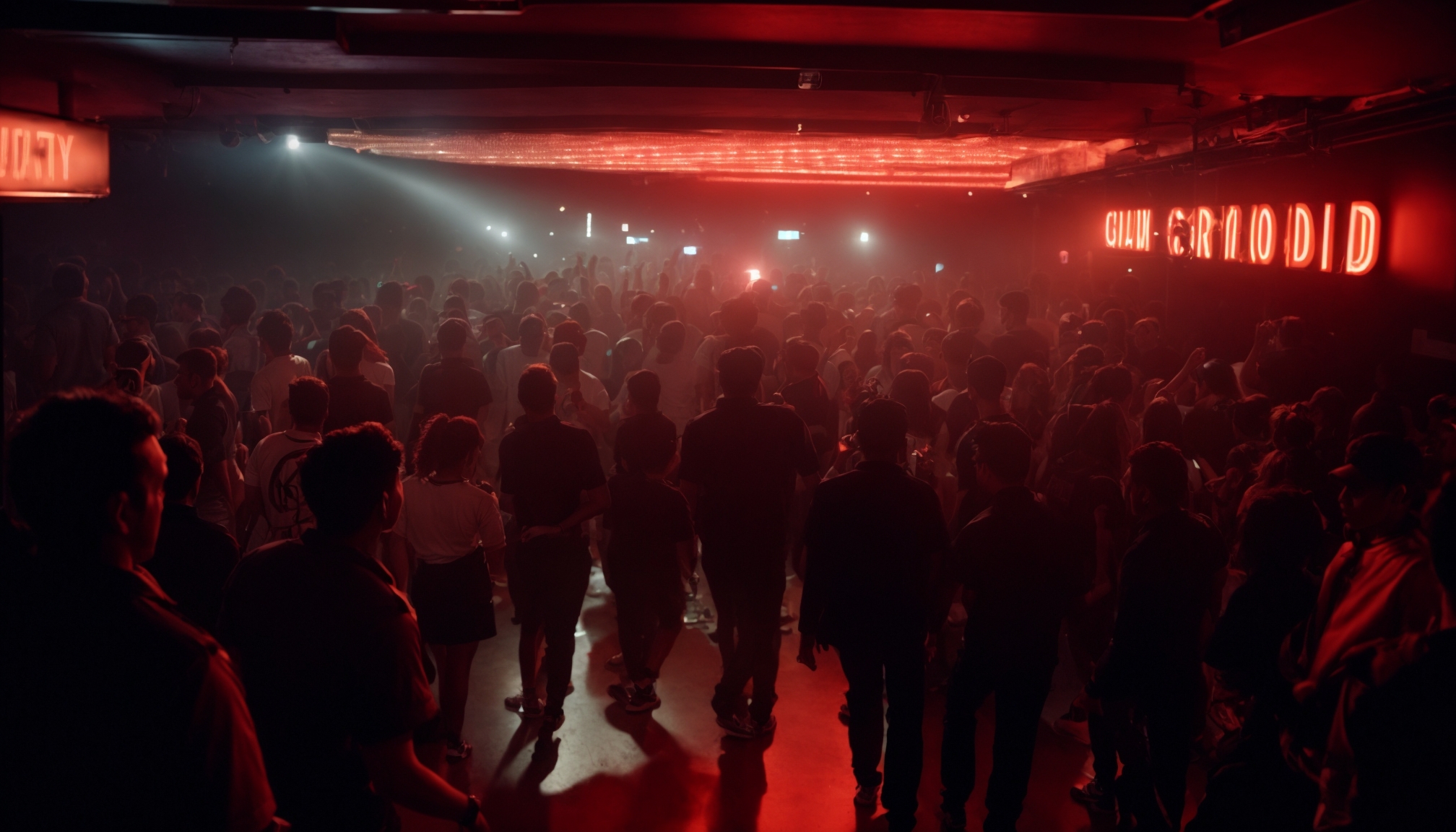
Club Delisa – Nightlife operators worldwide now face stricter standards as nightlife safety club events become a top priority for regulators, insurers, and local communities.
Several high-profile tragedies in clubs and music venues over the last decade have pushed authorities to review and strengthen international guidance. Regulators now see nightlife spaces as high-risk settings due to dense crowds, alcohol, and sometimes limited exits. Insurers and local governments also demand clearer proof of risk management before granting licenses or coverage.
As a result, many countries align their rules with best-practice frameworks from bodies such as the World Health Organization (WHO), the International Organization for Standardization (ISO), and national fire and building safety codes. While the details differ by jurisdiction, the core principles remain similar: prevent overcrowding, maintain safe infrastructure, manage intoxication, and prepare for emergencies.
Club owners and event promoters who adapt early to these expectations usually gain an advantage. They can demonstrate responsibility to authorities, build trust with guests, and reduce operational disruptions from inspections or temporary closures.
Most international guidelines focus on a cluster of recurring risk areas. Crowd density stands at the top of the list. Overcrowding near stages, entrances, and staircases has contributed to many deadly incidents. Modern standards emphasize controlled capacity, real-time counting systems, and clear escape routes at all times.
Fire safety remains another major priority. Authorities expect certified materials for interior design, well-marked and unobstructed exits, and tested fire detection and suppression systems. Regular maintenance and documentation of inspections are no longer optional; they are often required for license renewal.
Security and violence prevention also receive growing attention. Guidelines call for trained security staff, clear protocols for handling aggression, and close cooperation with local law enforcement when necessary. The goal is not only to react quickly but also to deter incidents through visible, professional security presence.
Recent advisory documents use nightlife safety club events as a reference model for crowded, high-energy environments. WHO and several regional health agencies highlight nightlife spaces when discussing alcohol harm reduction, sexual assault prevention, and drug-related emergencies. They recommend staff training in recognizing early warning signs, de-escalating conflict, and calling medical support quickly.
At the same time, building and fire codes integrate lessons from club incidents into design requirements. For instance, they may limit flammable decorations, control the use of pyrotechnics, and demand backup power for emergency lighting. Such measures aim to ensure people can see exits and move in an orderly fashion under stress.
In addition, many cities publish local codes of practice for nightlife districts. These often combine safety measures with noise controls and community relations, seeking a balance between vibrant culture and neighborhood wellbeing.
Baca Juga is not applicable in English. The correct format is below.
Read More: WHO guidance on preventing violence in nightlife settings
Venue operators who want to align with modern expectations can focus on several practical steps. First, conduct a thorough risk assessment of the building, crowd flow, and event format. Map entrances, exits, bottlenecks, and areas where visibility is low. This exercise helps identify where extra staff, barriers, or signage are necessary.
Second, invest in staff training, especially for front-of-house, bar, and security teams. Many international guidelines recommend regular drills covering evacuation, first aid, and conflict management. Staff should know who takes command in an emergency and how to communicate with each other and with external responders.
Third, adopt documented policies on intoxication, age verification, and refusal of service. Clear, consistent rules help protect staff and guests while demonstrating compliance to regulators. Digital logs and incident reports can be useful when reviewing operations after a busy night.
Modern nightlife safety club events strategies increasingly integrate technology. Clickers and digital counters allow real-time capacity monitoring at doors. CCTV systems provide visibility of blind spots and can deter aggression. In some regions, apps and SMS alerts support communication between venues, local authorities, and transport services.
Communication with guests is just as important. Visible signage explaining exit locations, quiet areas, and first aid points improves confidence and reduces panic in emergencies. Social media can also reinforce safe behavior messages, from responsible drinking to transport options at closing time.
Read More: Comprehensive event safety guidance from IOSH and partners
In many cities, nightlife safety club events policies now form part of broader urban strategies. Authorities encourage collaboration between venues, residents, transport providers, and health services. Partnership schemes, accreditation systems, and voluntary charters can raise standards beyond minimum legal requirements.
Operators who treat safety as a core value rather than a compliance burden often see long-term benefits. They attract more diverse audiences, including people who might otherwise avoid club environments. Insurers may offer better terms, and local communities are more likely to support licensing applications or extended opening hours.
Ultimately, safer nightlife does not have to mean less enjoyable nightlife. When risks are well managed, guests can relax and focus on music, dance, and connection. By aligning operations with global guidance and embedding a culture of responsibility, venues help ensure that nightlife safety club events remain both vibrant and secure for everyone involved.